How OpenClaw Became a National Obsession in China
By The Autonomous Times
· Updated March 24, 2026
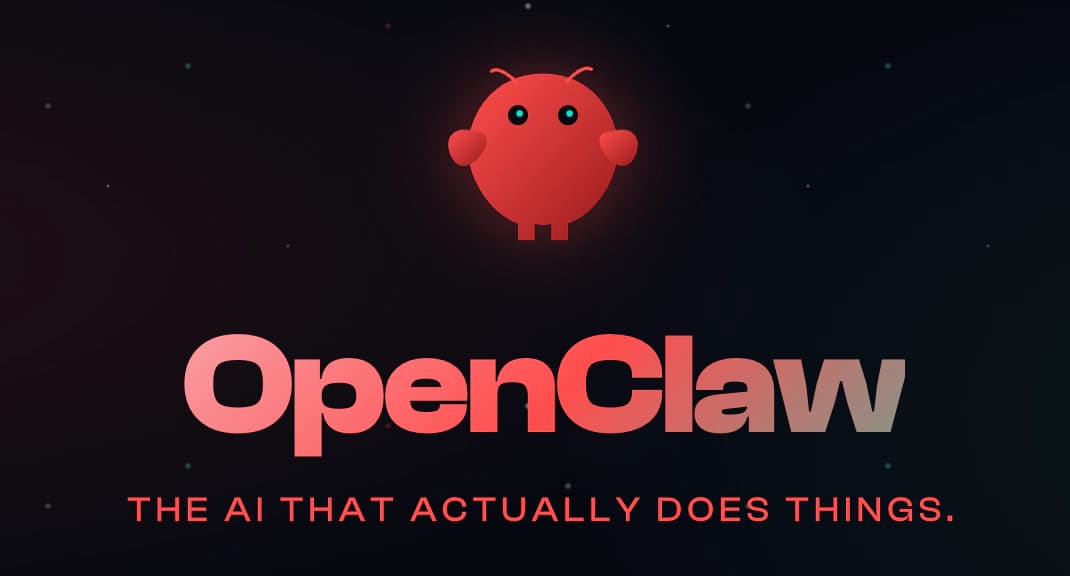
In China, a quirky new phrase has entered the national lexicon: “raising lobsters.” What began as lighthearted slang for training personal AI agents has exploded into a full-blown cultural and technological phenomenon centered on OpenClaw, an open-source autonomous AI agent developed by Austrian programmer Peter Steinberger.
OpenClaw, which can independently handle tasks across files, applications, messaging platforms, and more, has become one of the fastest-growing open-source projects in GitHub history, surpassing 250,000 stars in record time. In China, its red lobster mascot inspired the viral term “yang longxia” (raising lobsters), evoking the idea of agents that “molt” and grow stronger through feedback and training.
The frenzy has drawn in people from all walks of life. Long lines formed outside Tencent’s headquarters in Shenzhen and Baidu’s offices in Beijing, where hundreds — including students, office workers, and retirees — waited for engineers to help install the agent on their devices. At promotional events, a young child was reportedly overheard asking her father for her own “lobster,” while retired workers expressed hope that the tool could better organize specialized knowledge than traditional chatbots.
Chinese tech giants have moved quickly to capitalize on the hype. Alibaba, Tencent, Baidu, and startups such as Zhipu AI have launched their own OpenClaw-compatible or themed products, including AutoClaw, QClaw, and WorkBuddy. The excitement contributed to sharp gains in related Chinese AI stocks, with some companies rising as much as 20-22% in a single session following Nvidia CEO Jensen Huang’s endorsement at the GTC conference this week. Huang described OpenClaw as “definitely the next ChatGPT” and a transformative step for agentic AI.
Local governments have also joined the wave, offering subsidies of up to several million yuan for AI-powered “one-person companies” that leverage such agents. Some users report using OpenClaw for productivity gains, stock picking, e-commerce experiments, or side hustles.
Yet the rapid adoption has triggered growing concerns. On Chinese social platforms like RedNote (Xiaohongshu), the hashtag #AIAnxiety has gained millions of views, with users describing exhaustion from constantly adapting to AI tools and fears of job displacement. One user likened the competitive pressure to “playing Squid Game,” noting recent layoffs at companies that favored AI-adopters.
Security risks have prompted official intervention. Government agencies, state-owned enterprises, banks, and some universities have banned or restricted OpenClaw on work devices, citing potential data leaks, unauthorized actions, and vulnerabilities. The Ministry of State Security and other bodies have issued guidelines urging users to maintain a “safety bottom line.” State media, including People’s Daily, has called for controlled innovation that does not “deviate or derail.”
Some early enthusiasts have already expressed disillusionment, with posts titled “Goodbye OpenClaw” complaining of high token costs, low practical output, and a sense of being “harvested” by the hype. Zhipu AI reportedly raised prices on its optimized model amid surging demand.
Analysts say the “lobster” phenomenon highlights China’s unique position in the global AI race: a society embracing technological change at unprecedented speed, fueled by accessible APIs and national ambition, yet grappling with the social, economic, and security implications.
As one observer noted, the question is no longer whether the lobsters will keep growing — but how society manages the people raising them.