Hundreds Take to London's Streets in Growing Pushback Against Unchecked AI
By The Autonomous Times
· Updated March 4, 2026
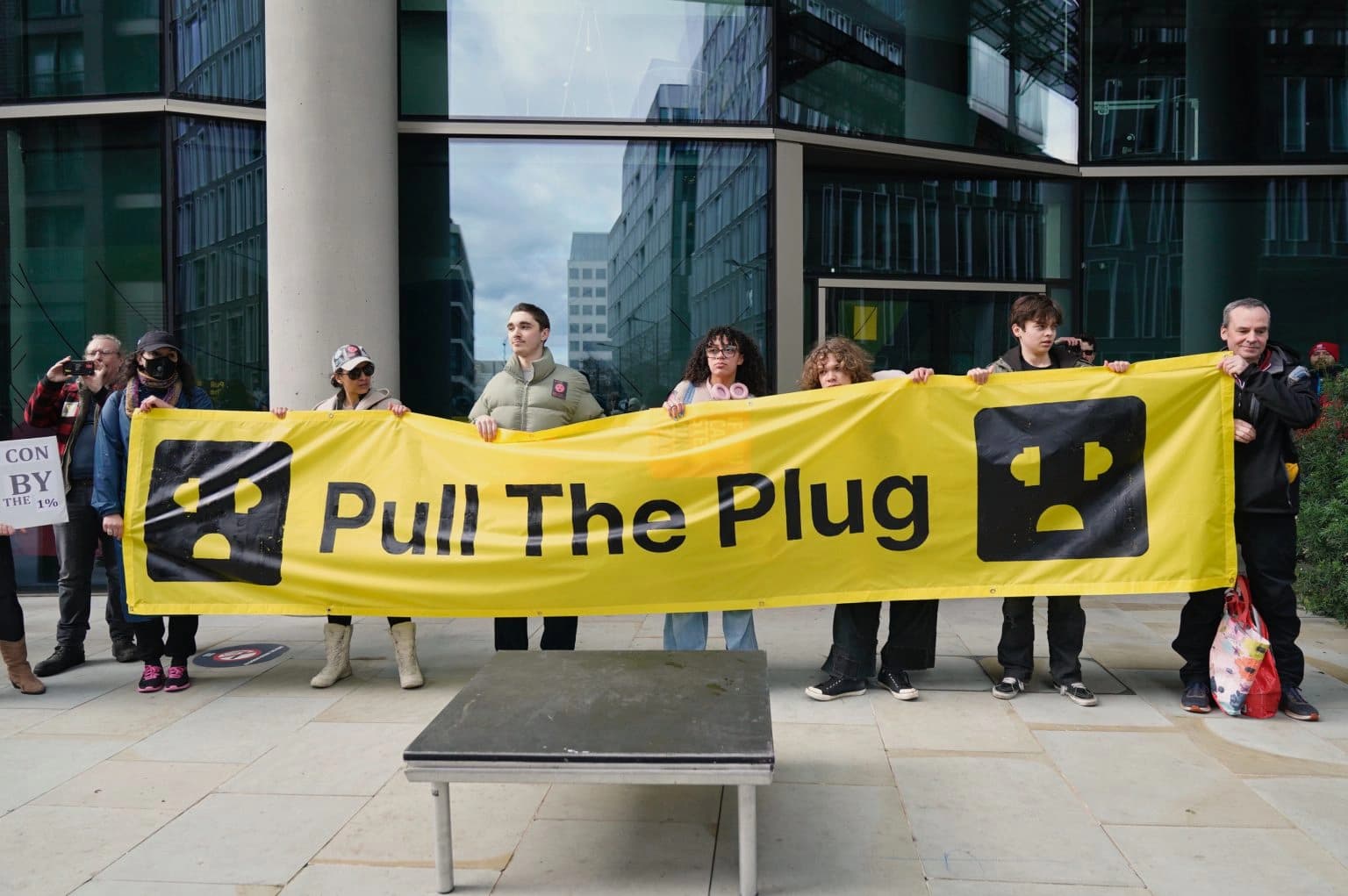
On a mild Saturday in late February 2026—February 28, to be exact—several hundred demonstrators wound their way through King's Cross, the heart of London's AI scene. Chanting "Pull the plug!" and "Stop the slop!" in rhythmic unison, they carried handmade placards reading "Pause before there's cause," "EXTINCTION=BAD," "Demis the Menace" (a jab at Google DeepMind's CEO Demis Hassabis), and even a cardboard crown asking "WHO WILL BE WHOSE TOOL?" The event, dubbed the "March Against the Machines," was billed by organizers as the biggest anti-AI demonstration yet worldwide.
Coordinated by Pause AI and Pull the Plug, alongside allies like Mad Youth Organise, Blaksox, and Assemble, the march kicked off around noon outside OpenAI's Pentonville Road office. From there, the crowd—estimates ranged from a couple hundred (per eyewitness accounts) to as many as 500 (per organizers)—proceeded past the UK headquarters of Google DeepMind, Meta, and others. Concerns on display were eclectic: fears of job displacement, environmental fallout from power-hungry data centers, the flood of low-quality AI-generated content ("slop") clogging the internet, risks to mental health (especially among young people), and existential threats from uncontrolled superintelligent systems.
The atmosphere stayed remarkably upbeat—people snapped photos, laughed, and struck up conversations with strangers. One finance professional joined almost on a whim: "Saturday was free, and the argument made sense." A chemistry researcher voiced frustration over unreliable sources in academia due to AI pollution, while an older attendee worried about widespread unemployment leaving people idle.
Harry Atkinson, a 37-year-old London filmmaker, summed up a common sentiment: "We all want useful new technology, but AI is chaotic and unstable. Yet it is being forced upon us without the basic safety measures. A sandwich you buy in the supermarket is more regulated than AI." He urged the UK government—particularly Labour—to prioritize public input over cozy ties with U.S. tech giants, given AI's massive ripple effects on jobs, society, and daily life.
Joseph Miller, who leads Pause AI's UK branch and researches mechanistic interpretability at Oxford, described the group's rapid expansion: "We've been growing very rapidly... on a somewhat exponential path, matching the progress of AI itself." He stressed that no single company can halt the arms race alone, calling for governments to enforce a coordinated global pause on frontier AI development until safety is assured—echoing a position already voiced by DeepMind's Hassabis.
Matilda da Rui, another Pause AI organizer, framed the stakes bluntly: "AI is the last problem that humans will face... either it solves everything, or it ends everything." Maxime Fournes, Pause AI's global head and a former 12-year AI industry veteran, was skeptical about swaying corporations directly—"They're optimized to just not care"—but outlined a longer-term tactic: make AI careers less appealing to talented people, perhaps by highlighting whistleblower protections or reframing the work as unappealing.
The march wrapped up in a Bloomsbury church hall for a People's Assembly. Protesters stuck name tags on and mingled in small groups, brainstorming demands and next steps. Broader actions unfolded the same day: coordinated demonstrations at UK data-center sites under #StopDirtyDataCentres (led by Global Action Plan), plus a parallel event in Berlin organized by FAIrness Now.
Public unease isn't fringe. Recent polling from the Ada Lovelace Institute shows 84% of Britons worry their government will favor Big Tech partnerships over public interest in AI regulation. Organizers are pushing for binding Citizens' Assemblies to let everyday people—guided by experts—shape how AI is deployed in the UK, plus Pause AI's call for stronger safeguards and that international pause.
Just a few years ago, anti-AI pushback was limited to a handful heckling Sam Altman in 2023. Today, the movement is gaining momentum, reflecting deeper anxieties about a technology racing ahead without sufficient oversight.
Sources consulted: MIT Technology Review (March 2, 2026, by Will Douglas Heaven), Pull the Plug press release (February 28, 2026), Ada Lovelace Institute polling data.