Samsung Turns Galaxy AI Into a Multi-Agent Ecosystem
By The Autonomous Times
· Updated March 2, 2026
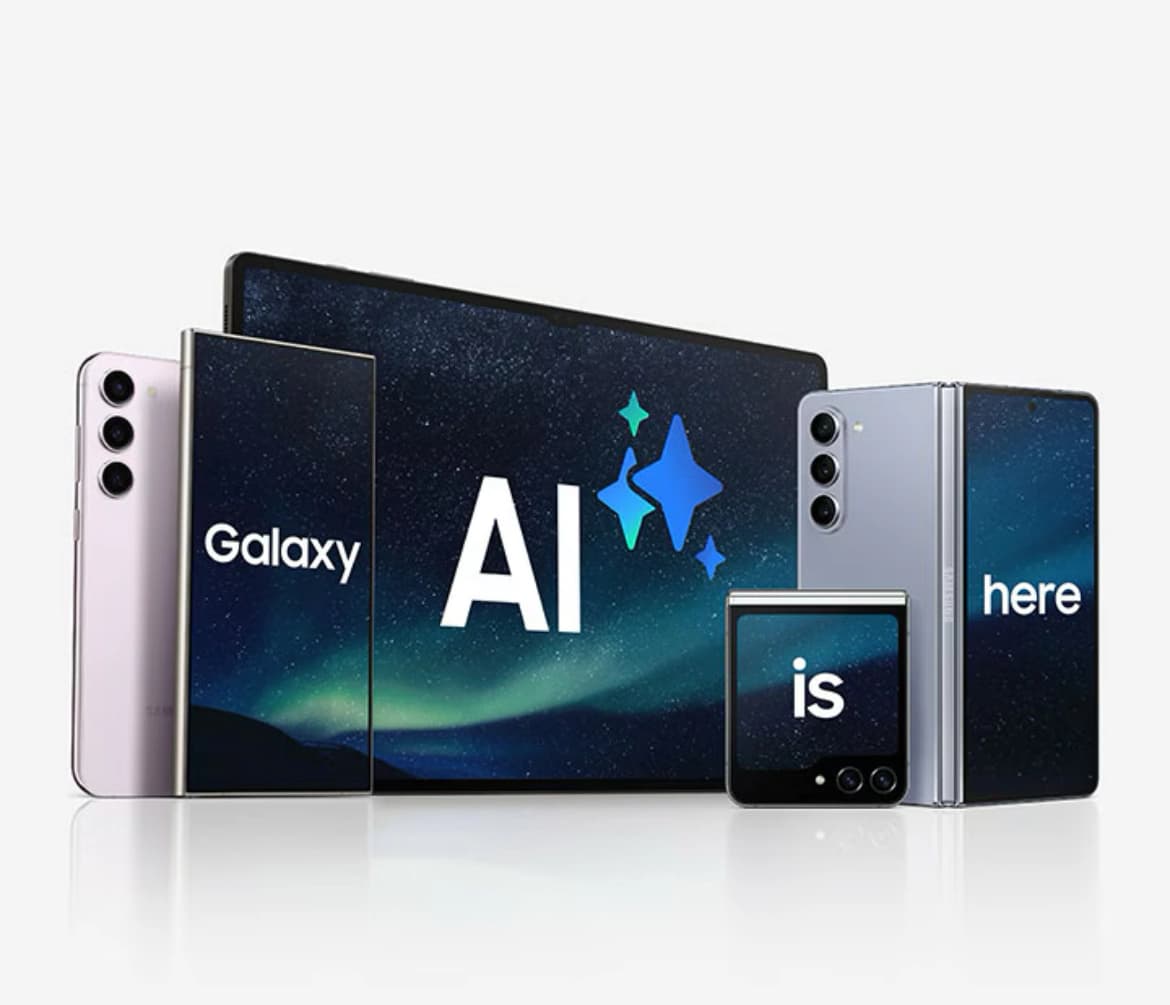
Samsung has a message for anyone still waiting by the phone for a single AI assistant to do everything: stop waiting.
The company announced this week that Galaxy AI is becoming a multi-agent ecosystem. The change sounds technical, but it represents something simpler: the end of the AI assistant as a single point of contact.
"We're committed to building an open and inclusive integrated AI ecosystem that gives users more choice, flexibility and control," said Won-Joon Choi, President and COO of Samsung's Mobile eXperience business. "Galaxy AI acts as an orchestrator, bringing together different forms of AI into a single, natural, cohesive experience."
The End of the Single Assistant
For years, the vision of AI has been simple: one smart assistant that knows everything and does everything. Ask a question, get an answer. Give a command, watch it happen.
That vision is collapsing.
Samsung's internal research tells the story. Nearly 8 in 10 Galaxy AI users now rely on more than two types of AI agents. The number people actually use keeps growing, not shrinking. The dream of one assistant has been replaced by a reality of specialized agents for specialized tasks.
The multi-agent approach flips the model. Instead of one AI trying to be everything, Galaxy AI coordinates multiple agents, each optimized for different jobs. One for search. One for writing. One for scheduling. One for whatever comes next.
Meet "Hey Plex"
The first new agent is Perplexity.
Samsung will introduce Perplexity as the second AI agent on the upcoming Galaxy S26 series. Users can activate it by saying "Hey Plex" — a new wake phrase that joins "Hey Google" and Bixby on Samsung devices.
The integration goes deeper than a voice shortcut. Perplexity lives at the system level, embedded across Samsung's native apps: Notes, Clock, Gallery, Reminder, Calendar. It also works inside select third-party apps. The agent can move between tasks without the user manually managing each one.
This is not an app. It is built into the operating system.
Why This Matters
Samsung ships more smartphones than anyone. When Samsung changes how phones work, it changes how everyone uses phones.
The company is not claiming Perplexity replaces Google Gemini. Both agents coexist inside Galaxy AI. The user picks which one to use, or lets the system decide based on context. The phone becomes a hub, not a gateway.
This is the opposite of what companies like Google and Apple have been building. Google's Gemini and Apple's Siri aim to be the single AI brain inside their devices. Samsung is building a marketplace.
The Bigger Picture
The trend is not unique to Samsung. Google recently opened Gemini to third-party extensions. Apple is reportedly exploring ways to let external AI models run on iPhones. The era of the locked-down assistant is giving way to something more open.
What Samsung is really saying: the future of mobile AI is not one agent. It is many agents, working together, with the phone as the conductor.
The question for users is no longer "which AI assistant should I use?" It is "which AI should handle which task?"
That might be the more honest question all along.
Sources
- Samsung Global Newsroom - Galaxy AI Expands Multi-Agent Ecosystem — Official announcement (February 2026)
- 9to5Google - Galaxy S26 will have 'Hey Plex' Perplexity hotword — Details on voice integration (February 2026)
- Android Authority - 'Hey Plex' landing on Galaxy S26 — Analysis of multi-agent strategy (February 2026)
- Financial Express - Samsung Galaxy S26 Perplexity integration — Context on OS-level integration (February 2026)