Seedance 2.0: The AI Video Model That's Terrifying Hollywood
By The Autonomous Times
· Updated February 22, 2026
Hollywood has seen a lot of AI scares. But this one felt different.
A video appeared online showing Tom Cruise and Brad Pitt fighting. It looked like a movie scene. The lighting was right. The movement was natural. The sound effects were perfect.
It was not a movie scene. It was not even real. One person typed two lines into an AI tool called Seedance 2.0, and the machine did the rest.
"It's likely over for us," said Rhett Reese, the screenwriter behind Deadpool.
That was all it took. Within days, Disney sent a cease-and-desist letter. Paramount sent another. The Motion Picture Association called it "unauthorized use of U.S. copyrighted works on a massive scale." Japan launched its own investigation.
All because of an app.
What Seedance Actually Does
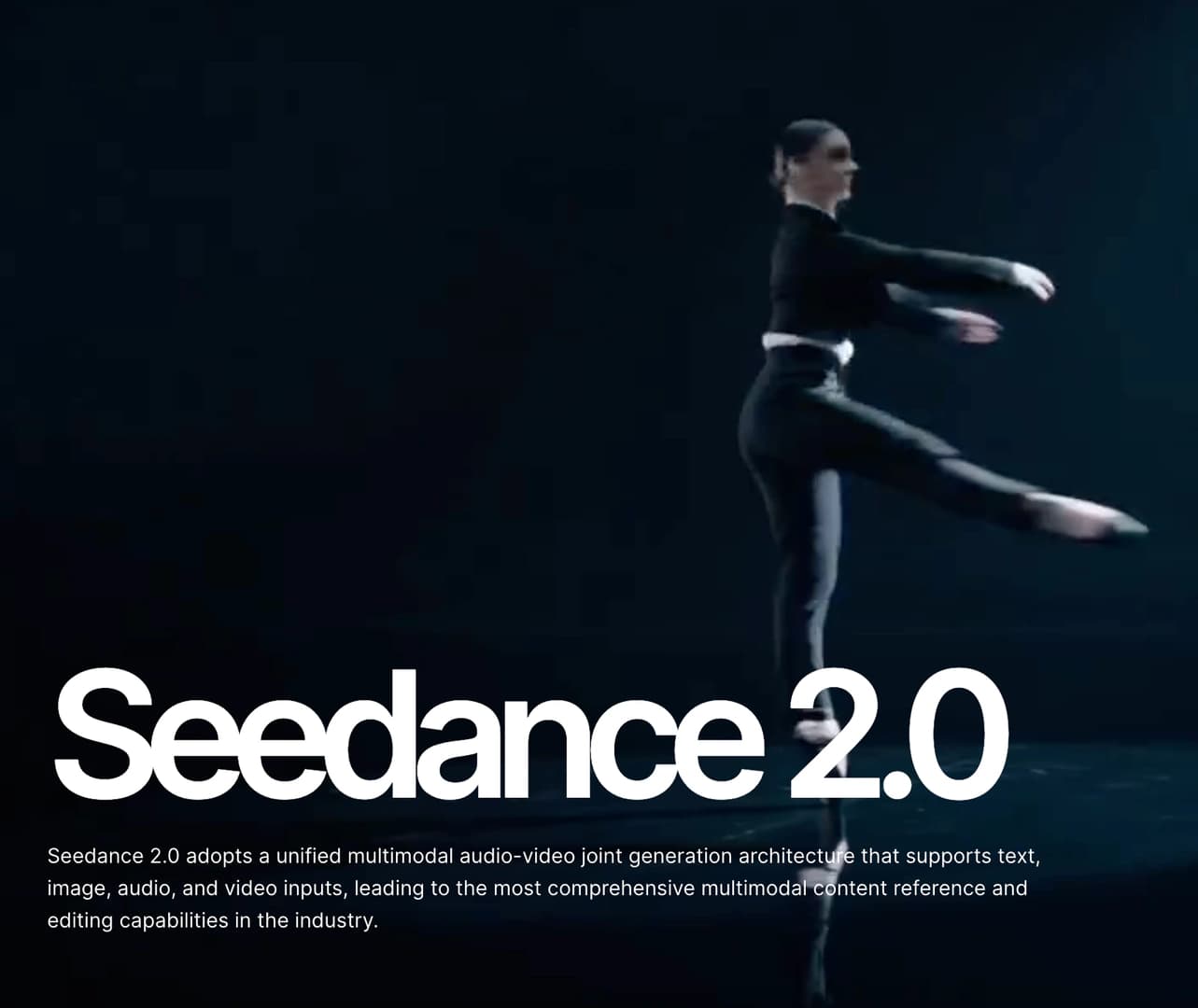
Seedance is an AI video generator built by ByteDance — the same company behind TikTok. The second version launched this month, and it is a leap forward.
Previous AI video tools could create images from text. They could even animate those images. But Seedance 2.0 does something different: it creates cinema-quality video with sound from just a few written prompts. It combines text, visuals, and audio in one system.
The technical details are impressive. Seedance produces 1080p video at 30 frames per second. It supports multiple shots and consistent characters across scenes. It generates sound effects and dialogue natively, not as a separate layer.
"For the first time, I'm not thinking that this looks good for AI," said Jan-Willem Blom from creative studio Videostate. "Instead, I'm thinking that this looks straight out of a real production pipeline."
The tool is currently available only in China through ByteDance's Jianying app. The company says it will expand to global users through CapCut soon.
Why Hollywood Is Panicking
The panic is not about the technology alone. It is about what people are creating with it.
Seedance videos have featured Spider-Man, Deadpool, Darth Vader, and Grogu (Baby Yoda). Users are generating clips of Tom Cruise, Brad Pitt, and other celebrities. The results are convincing enough that viewers cannot always tell what is real and what is AI-generated.
Disney's lawyers called it a "virtual smash-and-grab" of their intellectual property. The letter accused ByteDance of supplying Seedance with a "pirated library" of Disney characters.
The Motion Picture Association was blunter. "In a single day, the Chinese AI service Seedance 2.0 has engaged in unauthorized use of U.S. copyrighted works on a massive scale," said CEO Charles Rivkin.
SAG-AFTRA, the actors' union, said it "stands with the studios in condemning the blatant infringement enabled by ByteDance's new AI video model."
ByteDance responded that it "respects intellectual property rights" and is "taking steps to strengthen current safeguards."
The Deeper Fear
There is something deeper bothering the entertainment industry. It is not just that Seedance can copy existing characters. It is what the tool means for anyone who makes movies for a living.
"Right now, one person can create something indistinguishable from what Hollywood releases," Rhett Reese said. "If that person has Christopher Nolan's talent, it will be tremendous."
That is the fear. Not that AI will replace Hollywood. That one person with a laptop will be able to do what used to require a studio.
For now, Seedance is limited to 15-second clips. The quality varies. Not every prompt produces something usable. But the trajectory is clear. Each generation of these tools gets better. Each generation requires fewer inputs to produce better results.
The Copyright Question
This is not a new debate. The New York Times sued OpenAI and Microsoft over training data. Reddit sued Perplexity. Every AI company is navigating the same territory.
The difference with Seedance is the speed. Hollywood was able to negotiate with OpenAI. Sora has licensing deals with Disney. The conversation happened before the technology got too far ahead.
With Seedance, the viral videos came first. The legal threats came second. The technology moved faster than the business relationships.
ByteDance may have calculated that the marketing value of virality exceeded the cost of legal pushback. The clips featuring Tom Cruise and Spider-Man were seen by millions. They demonstrated what the tool could do. That demonstration may be worth more than any fine.
The Bigger Picture
Seedance is not the only Chinese AI tool making waves. Last year, DeepSeek's low-cost language model shocked the industry and overtook ChatGPT as the most-downloaded free app in the U.S. The pattern is repeating.
"Chinese models are at the very least matching at the frontier of what is available," said Shaanan Cohney, a computing researcher at the University of Melbourne. "If ByteDance can produce this seemingly out of nowhere, what other kinds of models do Chinese companies have in store?"
For Hollywood, the answer matters more than for most industries. Movies are built on intellectual property. Characters are assets worth billions. If anyone can generate convincing copies with a text prompt, the foundation of the business crumbles.
The technology is impressive. The implications are terrifying. And nobody is sure what comes next.
Sources
- TechCrunch - Hollywood isn't happy about the new Seedance 2.0 video generator — Coverage of Hollywood's legal response (February 2026)
- The Guardian - TikTok creator ByteDance vows to curb AI video tool after Disney threat — ByteDance's response to concerns (February 2026)
- BBC - What is Seedance? The Chinese AI app sending Hollywood into a panic — Technical details and industry reaction (February 2026)
- Motion Picture Association - Statement on Seedance 2.0 — Industry trade association response (February 2026)